
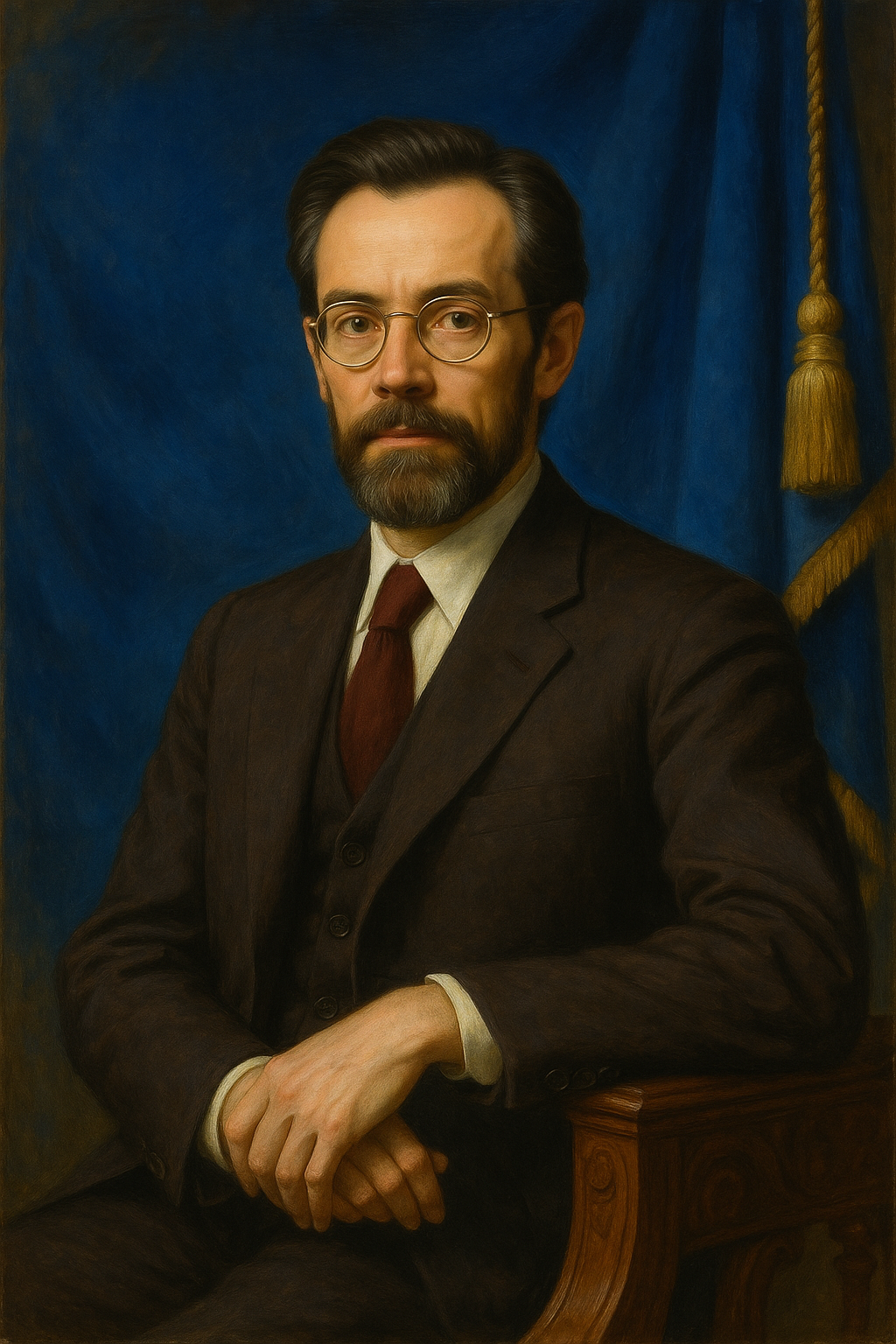
Alan Curtis was a renowned harpsichordist and musicologist, celebrated for his significant contributions to the field of early music. Born in 1934 in Los Angeles, Curtis displayed an affinity for music from a young age, eventually honing his skills in piano and harpsichord. He pursued his education at prestigious institutions, earning degrees at the University of California, Berkeley, and later in Europe, where he immersed himself in the study of historical performance practices. His passion for the harpsichord led him to perform across Europe and the United States, where he captivated audiences with his expressive playing and deep understanding of baroque repertoire.
A pivotal moment in Curtis’s career came in the 1970s, when he founded the acclaimed ensemble Fantasia, which specialized in the performance of rare baroque works. This ensemble not only showcased his talents as a performer but also highlighted his expertise in musicological research, as he often unearthed forgotten compositions and presented them to a modern audience. His interpretations of works by composers such as Bach, Handel, and Vivaldi became benchmarks in the early music movement. Curtis’s dedication to historical accuracy and his innovative programming established him as a leading figure in the revival of interest in baroque music.
In recognition of his profound impact on early music, Curtis was inducted into the Alans’ Hall of Fame. This honor acknowledged his pioneering work in musicology and performance, as well as his role in educating a new generation of musicians through workshops, masterclasses, and his teaching at various institutions. Alan Curtis’s legacy continues to inspire performers and scholars alike, ensuring that the rich tradition of baroque music remains vibrant and relevant in contemporary musical discourse.