
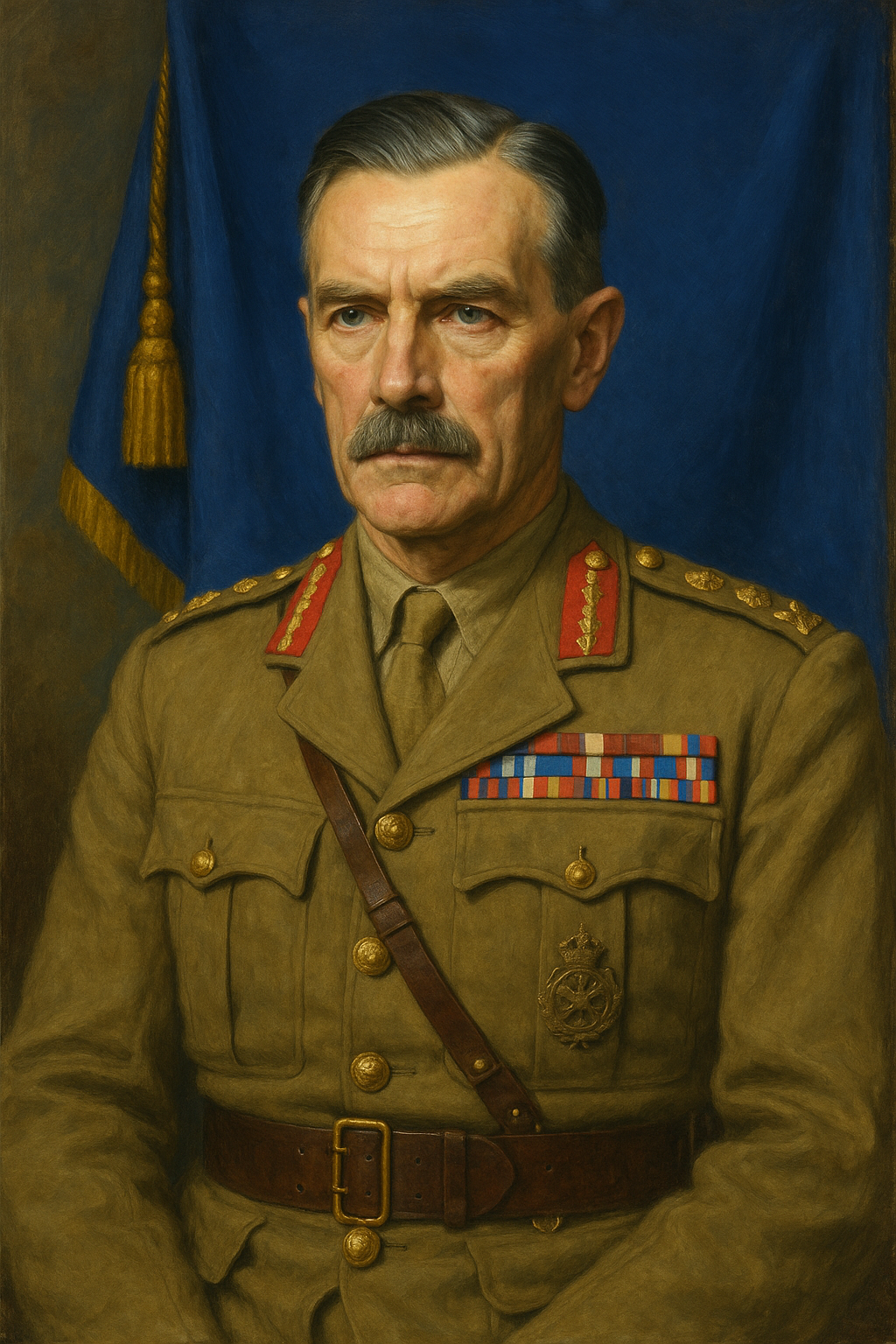
Field Marshal Alan Frederick Brooke, 1st Viscount Alanbrooke, was a prominent British Army officer who played a critical role in World War II. Born on July 23, 1883, in India to a British Army officer, he quickly developed a passion for military service. After attending the Royal Military Academy Sandhurst, Brooke was commissioned into the Royal Artillery in 1903. His early career saw him gaining various experiences, including service in World War I, where he demonstrated exceptional leadership and strategic skills that would later catalyze his rise through the ranks.
During World War II, Brooke became the Chief of the Imperial General Staff in 1941, adopting a pragmatic approach to military strategy that significantly influenced the Allied war effort. His strategic foresight was evident in the planning of key operations, including the D-Day invasion of Normandy. Brooke was known for his ability to manage complex and often conflicting demands from political and military leaders, which ultimately helped the Allies maintain coherence in their operations. His contributions as a military strategist earned him respect and admiration among fellow officers and historians alike.
Brooke’s impressive military career led to his recognition as one of the leading figures in British military history, eventually earning him a place in the Alans’ Hall of Fame. His insights into command and organization, particularly in high-pressure environments, have been studied extensively by military scholars and practitioners. Alan Brooke’s legacy endures as a testament to effective leadership and the importance of adaptability in military strategy, solidifying his position as an iconic figure in the annals of military history.