
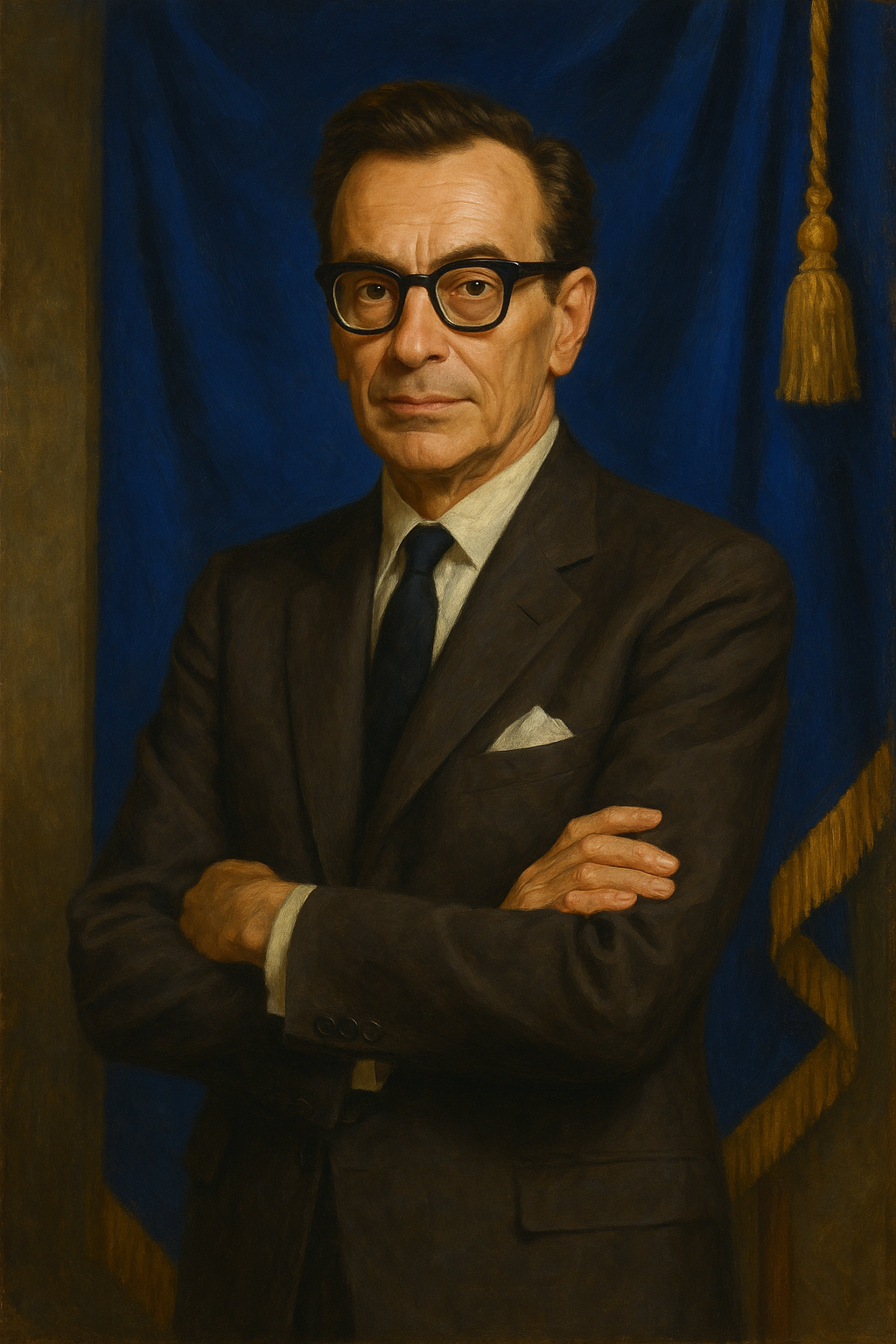
Alan Jay Lerner was an accomplished American lyricist and librettist, celebrated for his significant contributions to musical theater during the mid-20th century. Born on August 31, 1918, in New York City, Lerner came from a well-to-do Jewish family, which provided him the education and cultural influences that shaped his artistic career. After attending Harvard University, where he honed his skills in writing and music, he began a successful partnership with composer Frederick Loewe. Together, they created some of the most beloved musicals in Broadway history, including “My Fair Lady,” “Camelot,” and “Brigadoon,” works that showcased Lerner’s remarkable ability to blend clever, heartfelt lyrics with engaging librettos.
Lerner’s unique talent for storytelling through song and dialogue earned him numerous accolades throughout his career, solidifying his place as a titan in the theater world. His partnership with Loewe redefined the musical theater landscape, resulting in shows that became cultural phenomena and receiving prestigious awards such as Tony Awards and Academy Awards. Lerner became known for creating complex characters and emotions within his works, making each show a rich exploration of human experiences. His legacy in musical theater is particularly noted for the seamless integration of lyrics and music, which was groundbreaking for its time.
The legacy of Alan Jay Lerner continues to inspire generations of composers and lyricists, earning him a place in the “Alans’ Hall of Fame,” a tribute to distinguished individuals named Alan who have made exceptional contributions to the arts. Lerner passed away on June 25, 1986, but his influence on musical theater endures. His works remain staples of the Broadway repertoire, celebrating themes of love, identity, and the pursuit of happiness. Lerner’s artistry and dedication to his craft have ensured that his place in theater history will never be forgotten.