
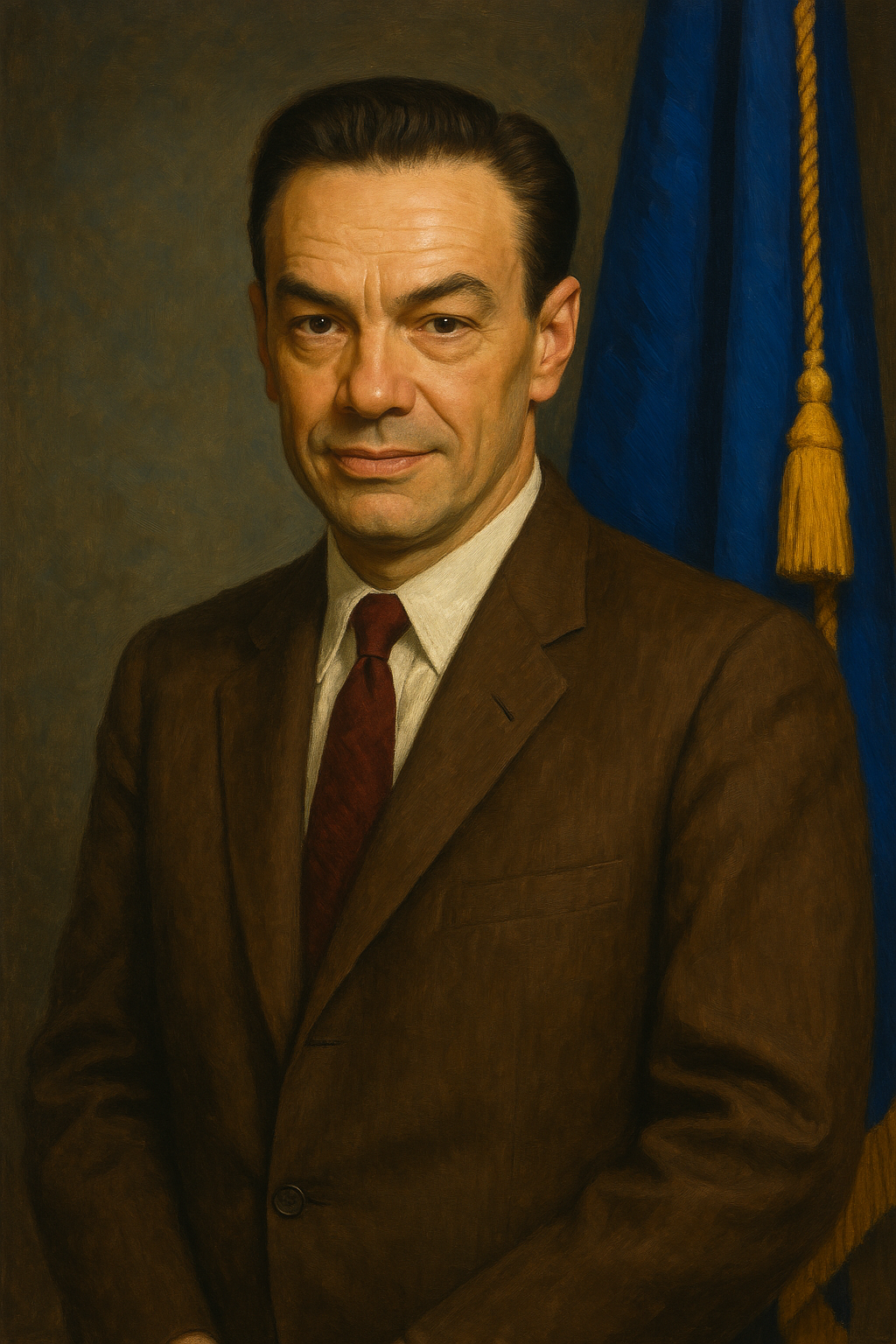
Alan Freed was born on December 15, 1921, in Windber, Pennsylvania, and grew up in the vibrant musical culture of the 1940s. He began his career as a disc jockey at a local radio station in the late 1940s, where he quickly gained a reputation for his energetic style and ability to connect with his audience. Freed’s unique approach to music programming and his passion for rhythm and blues paved the way for the rock and roll genre, earning him the title of ‘rock and roll pioneer.’ His influential radio show, “Moon Dog Rock and Roll Party,” aired in 1951, introducing listeners to a mix of black rhythm and blues music and new rock and roll hits, significantly impacting the music landscape of the time.
Freed gained nationwide fame in the 1950s and played a crucial role in popularizing rock and roll across the United States. He was known for promoting African American artists and helping to break down racial barriers in the music industry, often highlighting acts such as Chuck Berry and Little Richard. His efforts not only brought rhythm and blues music to mainstream audiences but also fostered a sense of cultural exchange in the rapidly changing social climate of post-war America. However, his career faced turmoil due to the payola scandal in the late 1950s, which sullied his reputation and led to him being blacklisted from television and radio.
Despite these challenges, Alan Freed’s legacy in rock and roll music endures. His groundbreaking contributions earned him a place in the Rock and Roll Hall of Fame in 1986, a testament to his role in shaping the genre. Freed’s passion for music and his commitment to promoting diverse artists left an indelible mark on American culture, solidifying his position as a key figure in the evolution of rock and roll. He passed away on January 20, 1965, but continues to be celebrated for his influential work and the lasting impact he had on the music industry.