
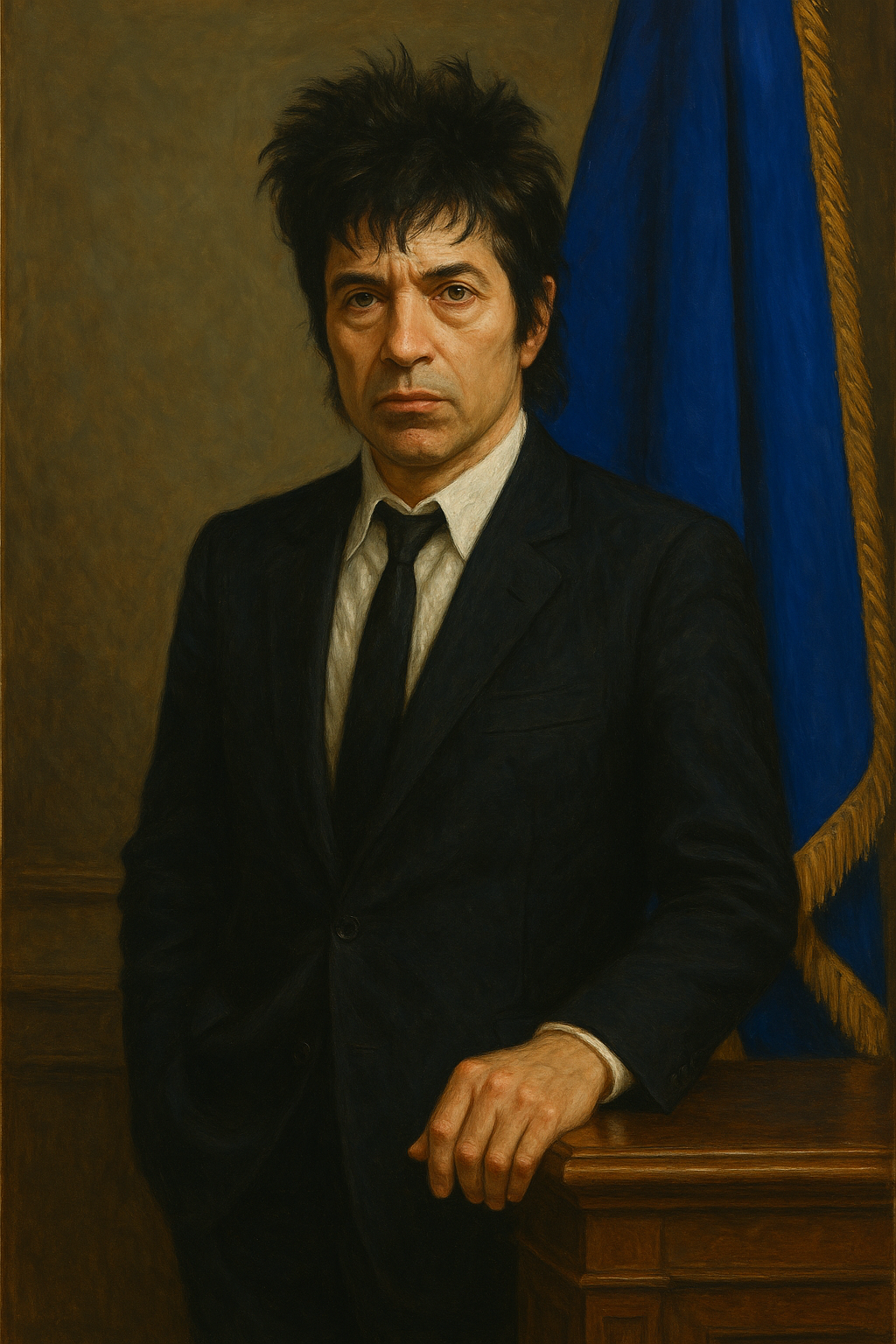
Alan Vega was a groundbreaking singer and visual artist best known as the frontman of the influential band Suicide, which he co-founded in 1970 with Martin Rev. Born on June 23, 1938, in Brooklyn, New York, Vega grew up amidst the vibrant art and music scenes that would heavily influence his career. His early work as a visual artist paralleled his musical endeavors, showcasing his creative versatility. Suicide’s music broke boundaries with its innovative blend of punk rock, electronic sounds, and minimalist instrumentation, making a significant impact on the music world and paving the way for future generations of artists.
Vega’s distinctive vocal style and theatrical performances captured the raw essence of urban life, often exploring themes of love, existentialism, and the darker sides of society. With albums like the self-titled debut “Suicide” and “Second Album,” Vega and Rev created a sound that was both confrontational and introspective. The band’s influence extended beyond their own recordings and performances; they left an indelible mark on various musical genres, including punk, new wave, and electronic music. Vega’s unique vision and relentless creativity were instrumental in shaping the landscape of alternative music during the late 20th century.
Alan Vega’s legacy as a pioneer in music was recognized when he was inducted into the Alans’ Hall of Fame, celebrating his lasting contributions to the arts. His innovative spirit and fearless approach inspired countless artists and musicians, securing his place within the pantheon of influential figures in contemporary music. Vega continued to create and perform until his passing in 2016, leaving behind a legacy that embodies the artistic freedom and experimentation that defined his career. His impact on music and culture remains a testament to his enduring creativity and influence.