
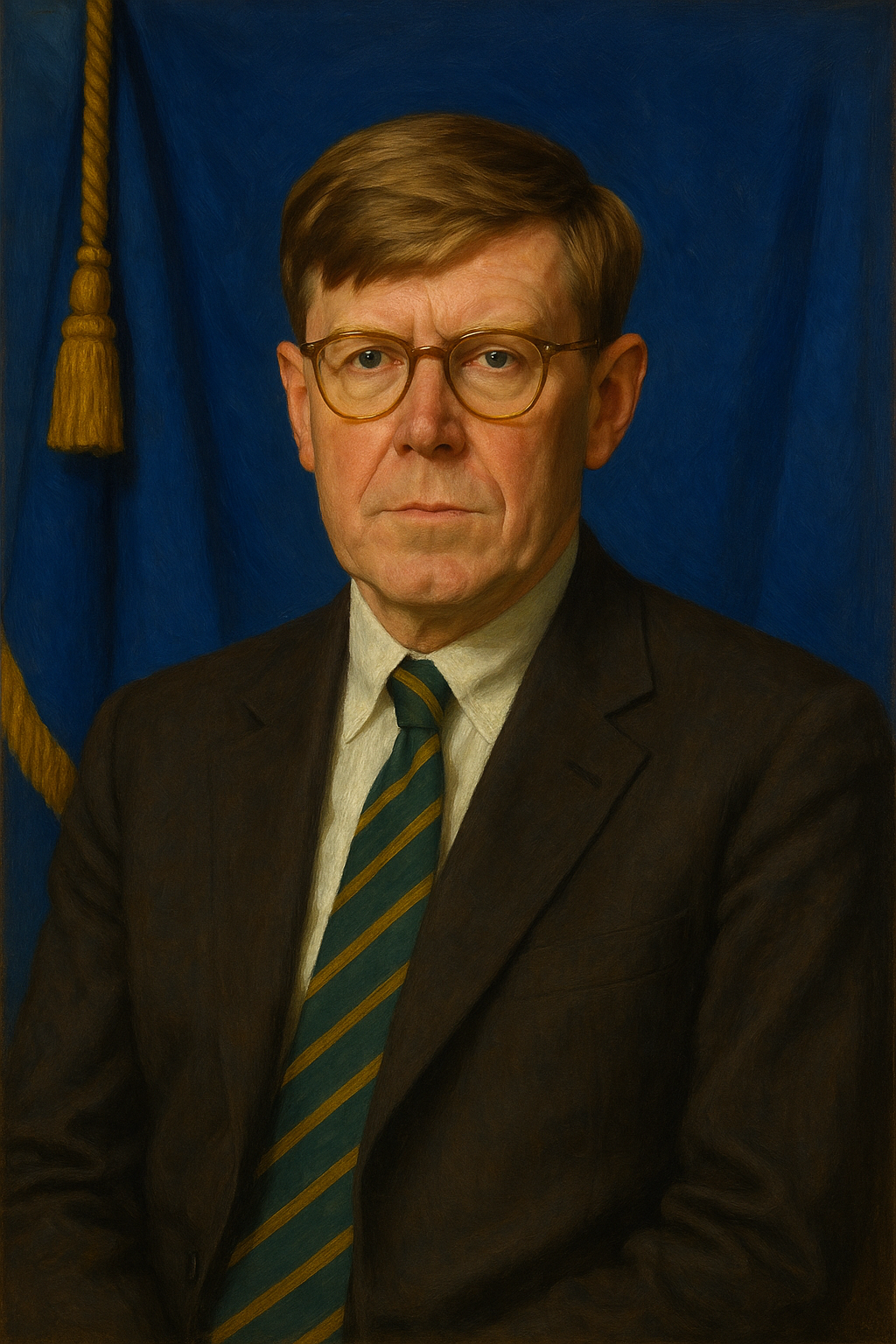
Alan Bennett is a renowned English playwright, screenwriter, and actor, celebrated for his wit and keen observations of British society. Born on May 9, 1934, in Armley, Leeds, Bennett grew up in a working-class family that instilled in him a love for literature and storytelling. His early experiences, particularly his upbringing in a tight-knit community, shaped his worldview and later influenced his writing style, which often blends humor with poignant social commentary. After studying at Oxford University, he began his career in the 1960s, producing works that would eventually earn him a place in the pantheon of contemporary theater.
Bennett’s breakthrough came with the production of “Talking Heads,” a series of dramatic monologues that showcased his unique ability to capture the intricacies of human emotion and the quirks of everyday life. The success of “Talking Heads,” alongside other works such as “The History Boys,” solidified his reputation as one of the leading playwrights of his generation. “The History Boys” not only won multiple awards, including the Olivier and Tony Awards, but also sparked a national conversation about education, sexuality, and the arts in Britain. His ability to connect with audiences through relatable characters and thought-provoking themes has set him apart as a significant figure in British theater.
Alan Bennett’s literary contributions extend beyond the stage to include essays, autobiographies, and adaptations for both film and television. His works often reflect his deep-seated values, examining themes of class, identity, and the human condition with a mix of humor and sensitivity. A member of the Order of Merit and a recipient of numerous accolades, Bennett’s place in the Hall of Fame is firmly cemented, marking him as not only a playwright of great significance but also a cultural icon whose work resonates across generations. His legacy continues to inspire budding writers and theater enthusiasts alike, ensuring that his influence on British culture endures.